From Biological Big Data to Meaningful Information: Bioinformatics and Its Applications
You may have heard that we can predict protein structures in minutes using computer algorithms. Before these technologies emerged, predicting protein...
Latest news, insights, and updates from our community
You may have heard that we can predict protein structures in minutes using computer algorithms. Before these technologies emerged, predicting protein...
You may have heard that we can predict protein structures in minutes using computer algorithms. Before these technologies emerged, predicting protein structures required years of laborious work in the laboratory. So what has changed to make our work so much easier? Thanks to computational methods and advanced algorithms, it now seems possible to personalise treatment
A beginner-friendly resource guide for anyone wondering how to enter the field of bioinformatics and computational biology.
Meet Dr. Ayse Kaya, a leading researcher in computational genomics and active RSG Turkiye member.
Join us for our comprehensive workshop series covering essential bioinformatics tools and techniques.
Introducing our new blog platform for sharing computational biology insights and community updates.
As one of the biggest studen-driven organizations in Turkey, we are familiar with the challenges the students, especially the post-graduate students face. One of these problems the students face is not having enough time or financial resources to present their data to fellow students and researchers in a scientific meeting which hampers their visibility within
(The original tutorial I prepared with Microsoft Sway last year can be found here.)
We continue with the tutorial posts regarding data visualization. The first post was about Volcano Plot and how to interpret (in Turkish). Today, I will share...
RSG Turkiye aims to bring your available positions or collaborations to a wider audience! You can fill in the form below for the announcement of available positions in your lab or a collaboration. RSG Turkiye team will share it on the web page, social media accounts, slack channel and during the symposium event. We wish
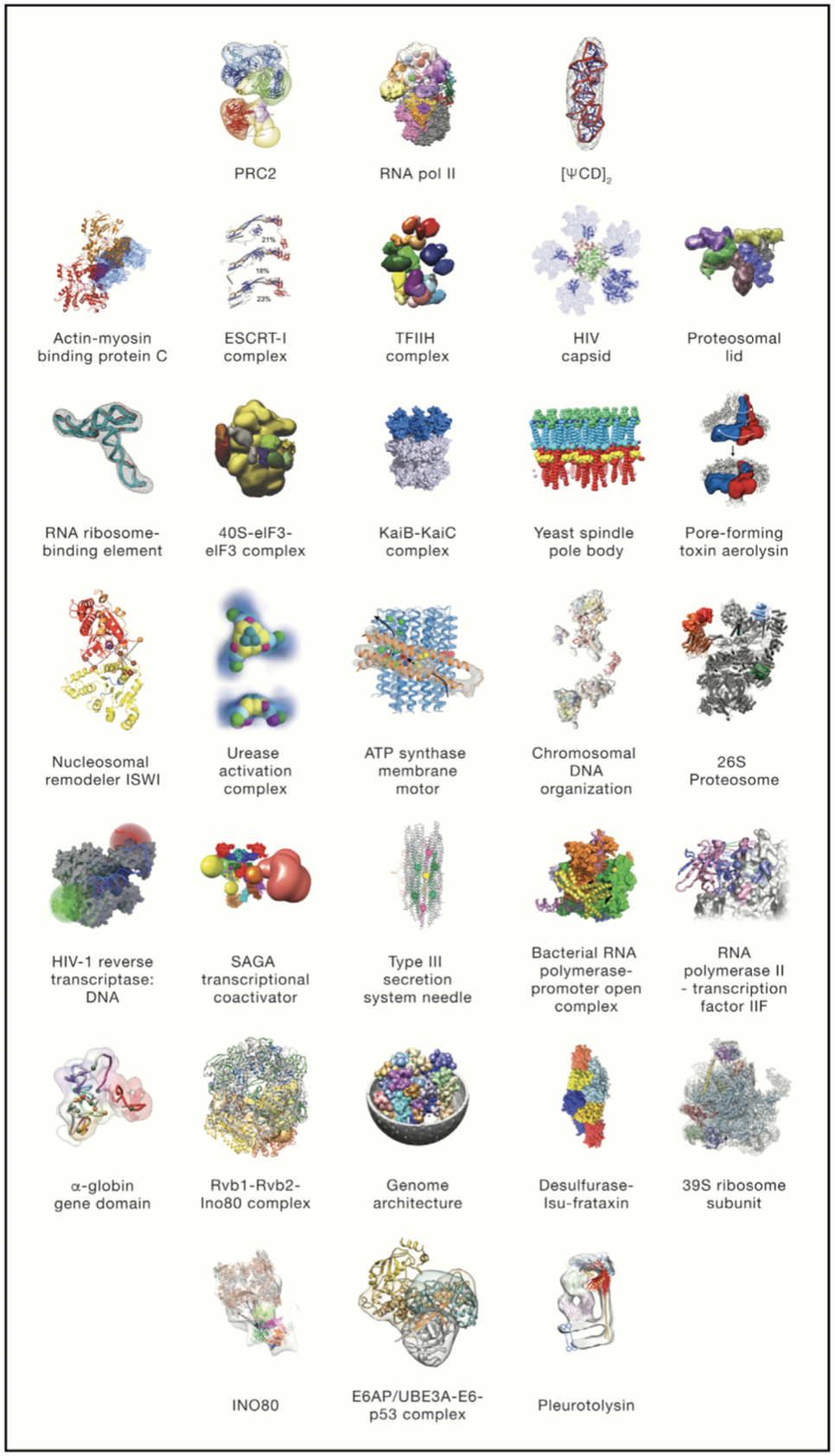
Structures of biological macromolecules cannot be easily determined, as they are flexible, i.e. their conformations change while they...
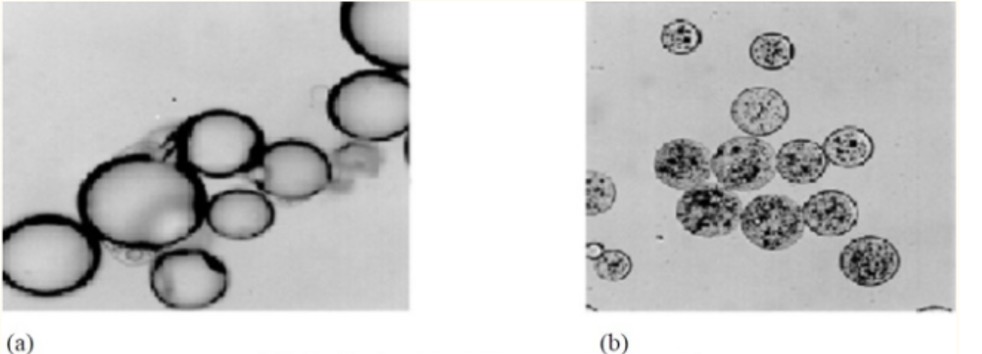
Introduction The containment of a core material inside of a small capsule is called microencapsulation. A polymeric material coates liquid or solid substances to protect polymeric material from circumambient area1. Microcapsules size vary between 50 nm to 2 mm2. Microcapsule’s size and structure differs according to core material being solid, liquid or gas as in figure 12. Coating material
What are the omics sciences?
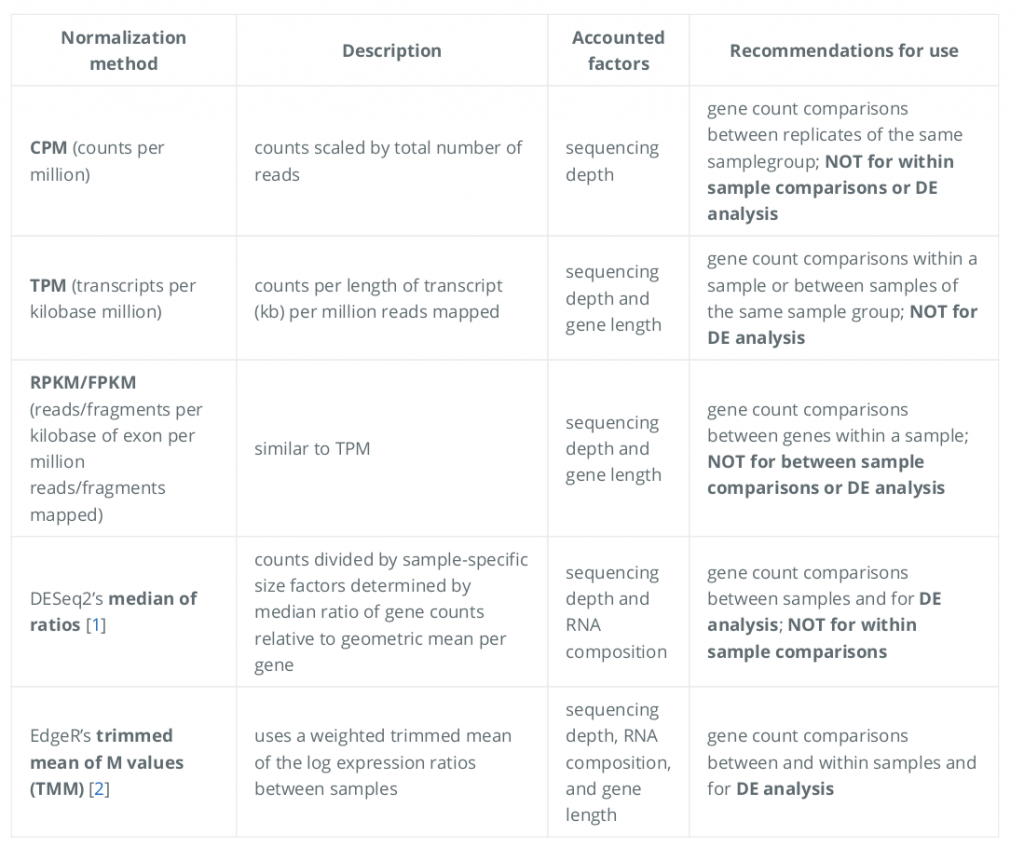
What are the omics sciences? Omics sciences are targeting quantification of whole biomolecules such as RNA and proteins at organism, tissue, or a single-cell level. Omics sciences are separated into several branches such as genomics, transcriptomics, and proteomics1. What is transcriptomics? Transcriptomics is one of the omics sciences dissecting the organism’s transcriptome which is the
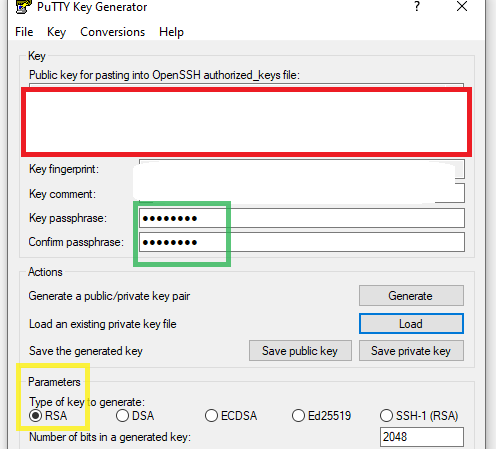
Big data requires big infrastructure. If your computer cannot handle with big data, you need to connect with a server or virtual machine to store and process your data. I have been participating COVID19-bh20. If you are newbie like me to participate such events, and inexperienced in handling with big data in such a big
Next-generation sequencing (NGS) enables high-throughput detection of DNA sequences in genomic research. The NGS technologies are implemented for several...
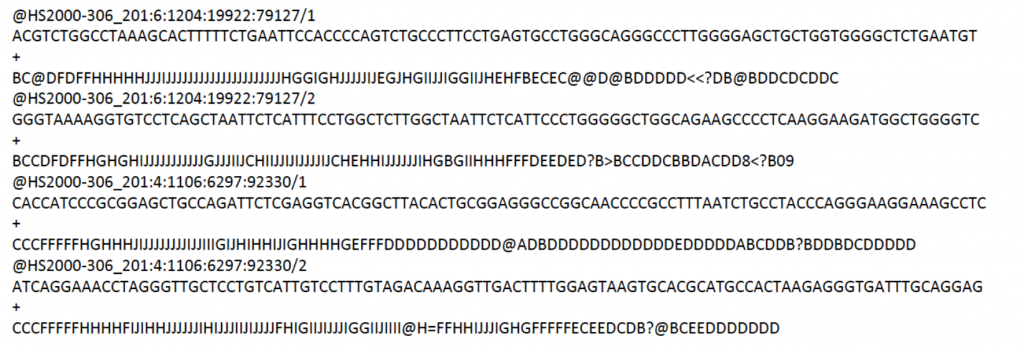
Next-generation sequencing (NGS) enables high-throughput detection of DNA sequences in genomic research. The NGS technologies are implemented for several applications, including whole-genome sequencing, de novo assembly sequencing, resequencing, and transcriptome sequencing at the DNA or RNA level. In order to sequence longer sections of DNA, a new approach called shotgun sequencing (Venter et al., 2003;
microRNAs (miRNAs) belong the family of small non-coding RNAs and regulate many processes in the body via regulating the mRNAs. They are 20 to 25-nucleotides-long small RNAs. Since they are short, and sequences vary only small number of nucleotides (e.g. 1 as in the case of SNPs), deep sequencing, high coverage, requires to detect the
Scientific Figure Design workshop presentation is available now! You can download pdf file from here Also, If you want to access bookdown version you can click here. created by: Handan Melike Dönertaş Starting with our next student symposium, we are planning to organize workshops. Let us know your favorite workshop topics and help us organize
Lorem Ipsum is simply dummy text of the printing and typesetting industry. Lorem Ipsum has been the industry’s standard dummy text ever since the 1500s, when an unknown printer took a galley of type and scrambled it to make a type specimen book. It has survived not only five centuries, but also the leap into
Title: What ancient and modern DNA tells us about our human past? Presenter: Dr. Stephan Schiffels from Max Planck Institute for the Science of Human History Date: December 12, 2018 Language: English Abstract: Our human past leaves traces in our genomes, via population size changes, admixture events and migration patterns. Via genetic analyses, we can therefore
Title: Cancer Biomarkers Using Integrative Single Cell and Bulk Sequencing Presenter: Akdeş Sevim Harmancı Date: October 23, 2018 Language: English Abstract: Cancer is a disease of genomic and epigenomic alterations. Single nucleotide changes, copy number variations (CNV), chromosomal rearrangements and modification in DNA methylation together drive the formation of a tumor. The integrative ‘omic’ approaches
Title: The FoundationOne® Assay for Genomic Profiling of Solid Tumor Cancers Presenter: Dr. Abdullah Karaman from University Hospital Zurich Date: October 5, 2018 Language: English Abstract: Comprehensive genomic tumor profiling is the basis of precision medicine in the modern era of cancer diagnosis and treatment. The possibility to profile cancer genomes and identify driver mutations in
We have started to compile a list of resources to learn or improve computational biology skills: Resources for Computational Biology & Bioinformatics You can add new resources to relevant sheets or just check the list to find your new favourite book/course! The list includes different type of resources to learn programming languages, a specific type
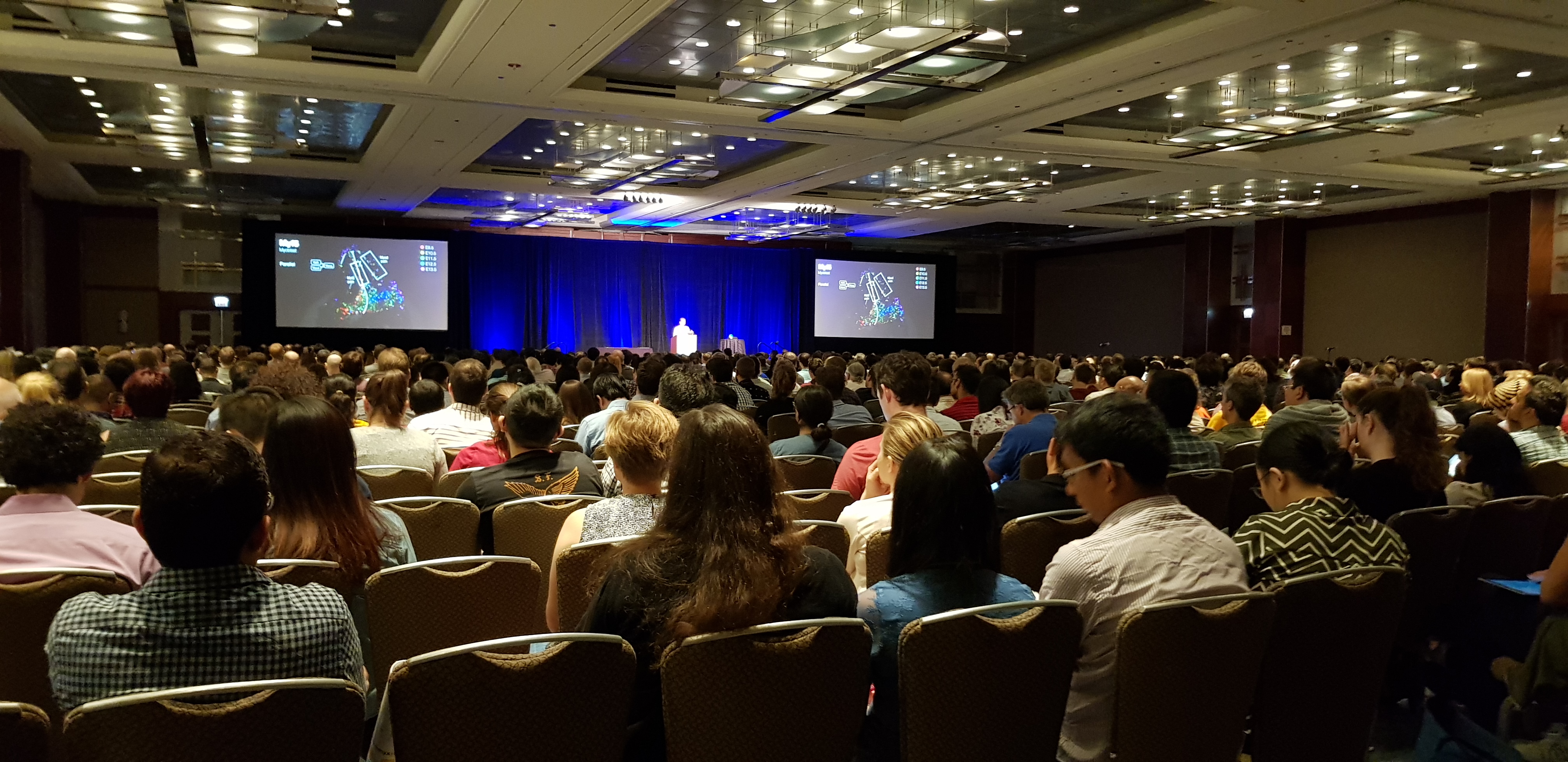
We as RSG-Turkey are so proud to be part of great organization ISCB and ISCBSC. ISMB2018, one of the conferences organized by ISCB, was held in Chicago between 6-11 July. I have nominated for ISCB-SC RSG Leadership Travel Fellowship for the conference and she had the opportunity to attend the conference. Despite this post were
Title: Computational Analysis and Integration of Large-Scale Biological Data with Deep Learning Approaches Presenter: Dr. Tunca Doğan from EMBI – EBI & METU Date: August 2, 2018 Language: English Abstract: Machine learning and data mining techniques are frequently employed to make sense of large-scale and noisy biological/biomedical data accumulated in public servers. A key subject
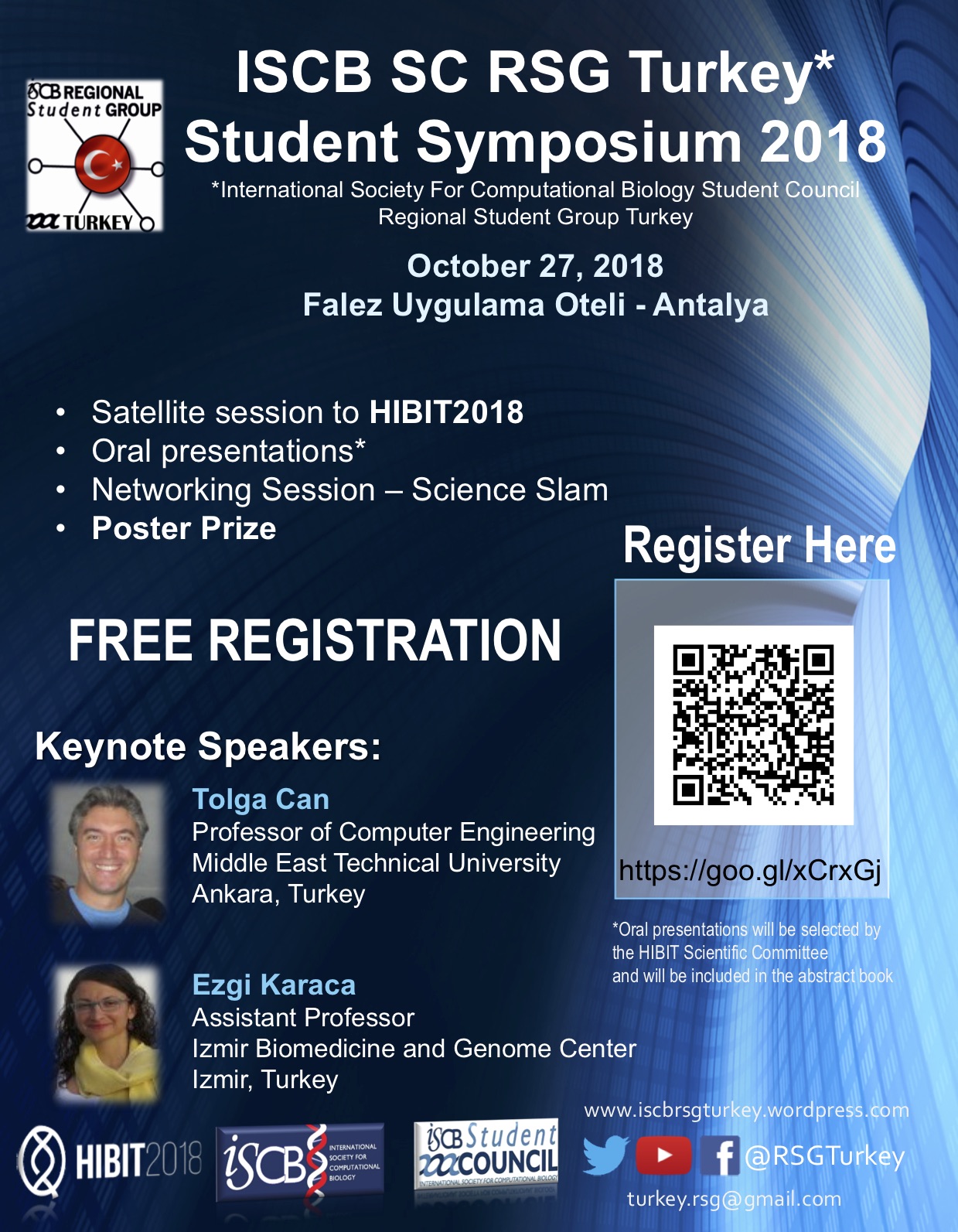
We are ready for our next event: Student Symposium 2018. Our event will be a satellite to HIBIT'18 and will take place in Antalya, a lovely city in Turkey....
Title: An evolutionary genomic framework for tackling problems in conservation and biodiversity. Presenter: Asst. Prof. İsmail K. Sağlam from Hacettepe University Date: April 16, 2018 Language: English Abstract: Today, the fıeld of conservation biology has risen to the forefront of scientific endeavors as only with a successful translation of conservation science to conservation practices can we
First student webinar of this year, which held on March 12th has presented by Melike Donertas. Ageing as one of the inevitable biological process was focus of the presentation named “Gene Expression-Based Drug Repurposing to Target Ageing “. During almost two hours, Melike presented not only the methodology of the study for drug repurposing, but
Bioinfonet project is an ISCB Student Council supported webinar project. Our main aim is to build bridges between bioinformatics professionals and young bioinformatics students, mainly who live in developing countries and have difficulty joining the aura of the community. But anyone who want to get an idea of how bioinformatics is done, who are those bioinformaticians and
Welcome to ISCB SC RSG Turkiye's official website!
Welcome to ISCB SC RSG Turkiye’s official website! Most of the people who contact us say “Do you still continue organising webinars with rshfjskh Turkey?”. This “rshfjskh” feeling comes, because, I come to the conclusion that, they do not know the abbreviation 🙂 So, here is the step by step tutorial for saying ISCB SC
Please fill this form if you are a student in a related field and would like to make a presentation. All contributions are much appreciated!
Please fill this form if you are a student in a related field and would like to make a presentation. All contributions are much appreciated! Yükleniyor…
Thanks to our community members and colleagues from ISCB RSG Turkiye, BioInfoNet Project is growing day by day. We now have 172 members signed up to our Biomarker community and we have proudly organised 3 important webinars! It is good to know that there will be more ahead! At this stage, we felt that we are ready
I met ISCB RSG Turkiye guys in 2011 in the first student symposium which was held as a satellite meeting with HiBiT. I was working in a de novo genome project and it was my first time talking about a serious project as a graduate student at a symposium. Many of you can picture my anxiety. But
No posts match your search.